Sustainability at the forest edge
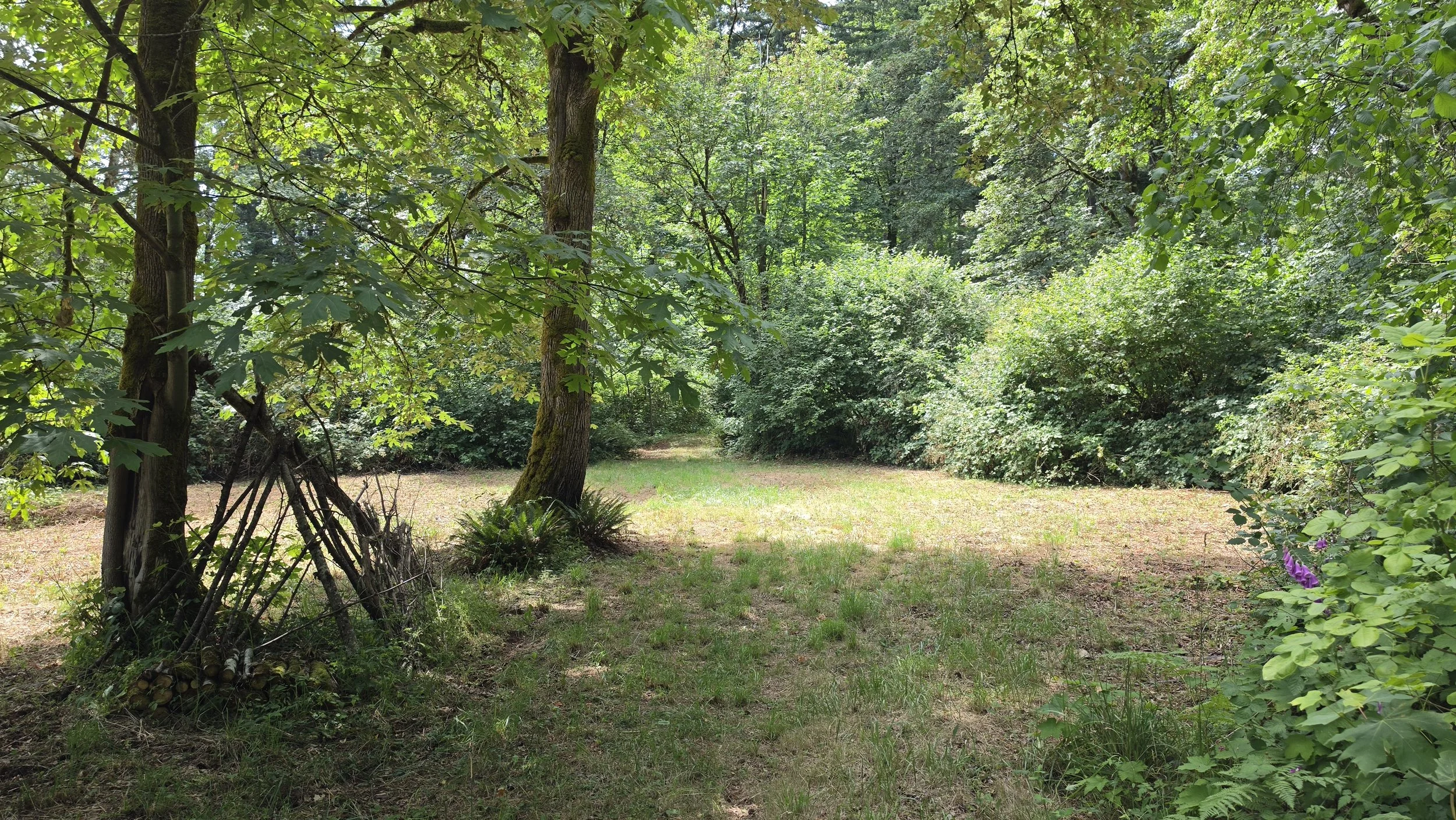
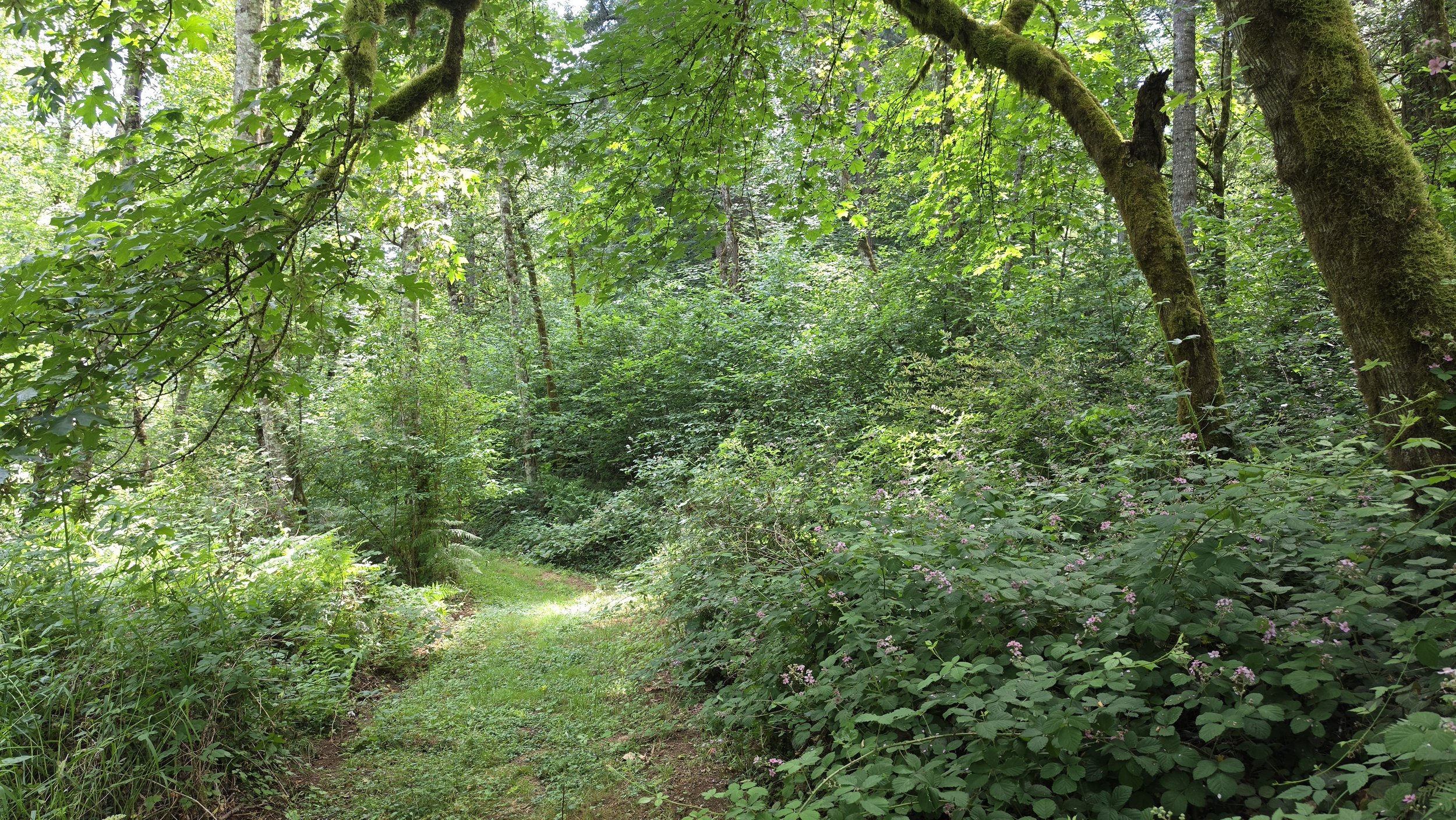
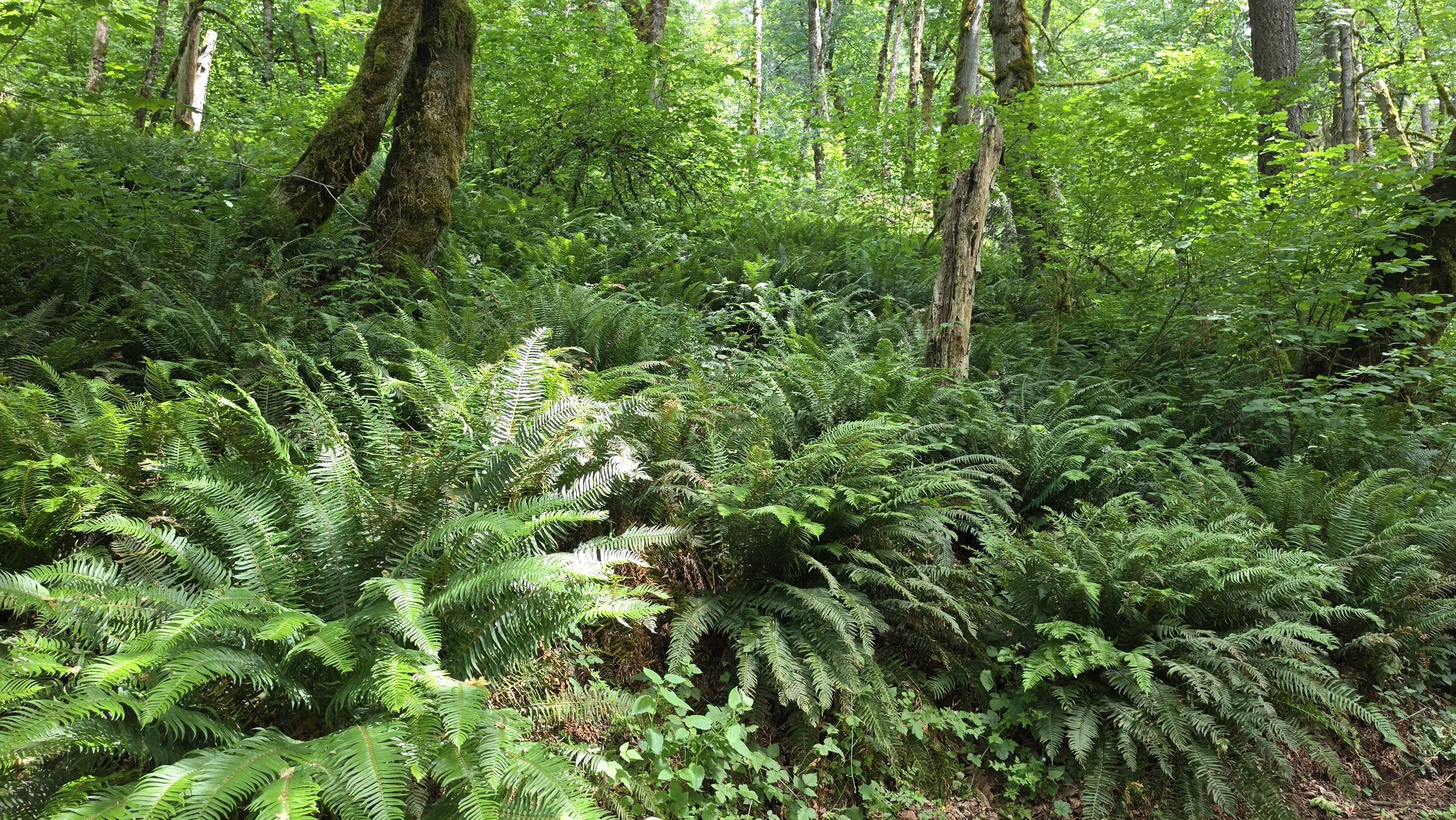
Permaculture
A Brief Primer on Ecological Winemaking and Stewardship
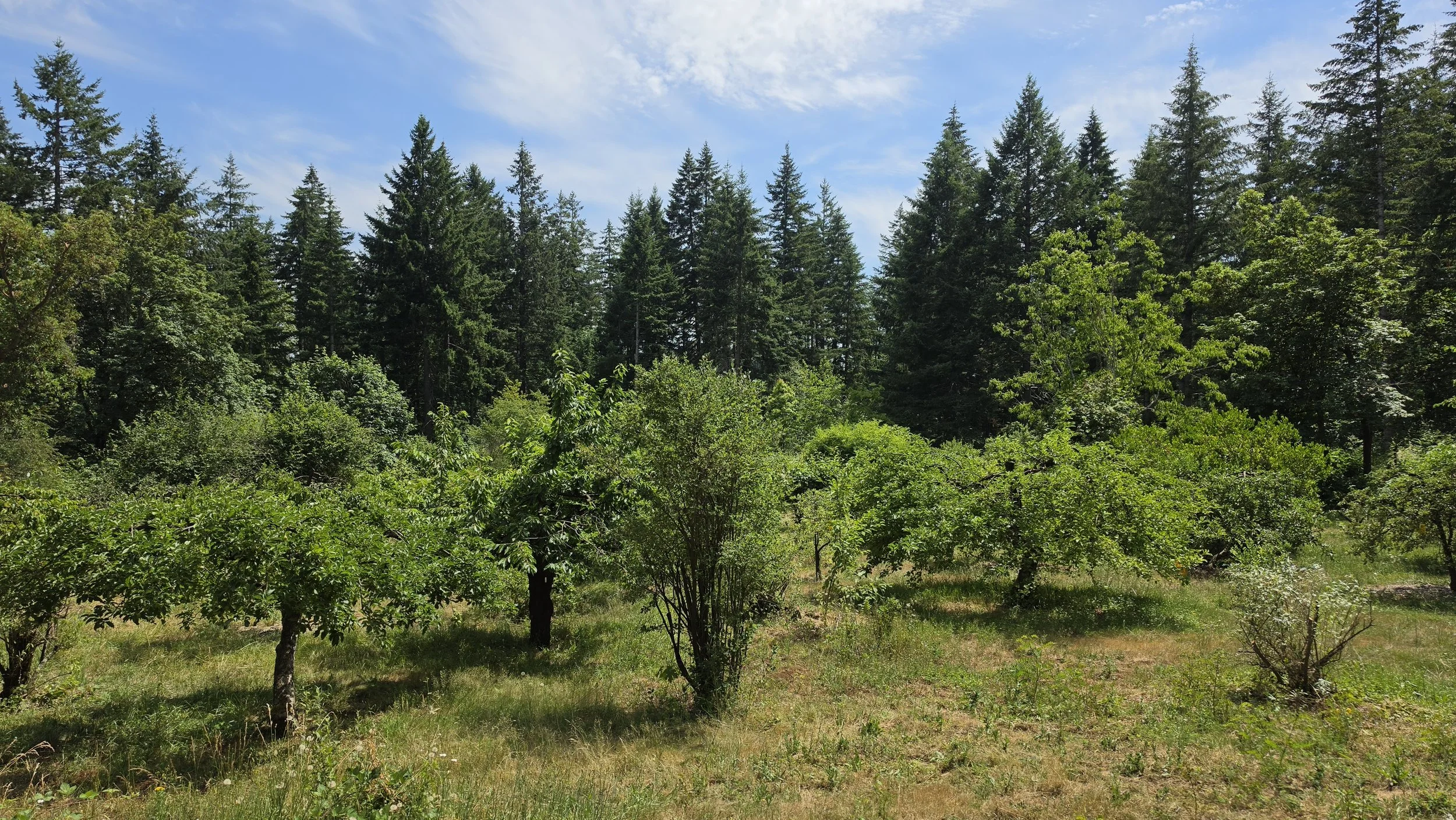
In the late 1970’s, Ron rediscovered a love for gardening and completed Master Gardner training through OSU. Not long after, he participated in the first full-scale Permaculture design course in north America. While not exactly a household term, Permaculture approaches to agricultural design have become more widespread in recent years.
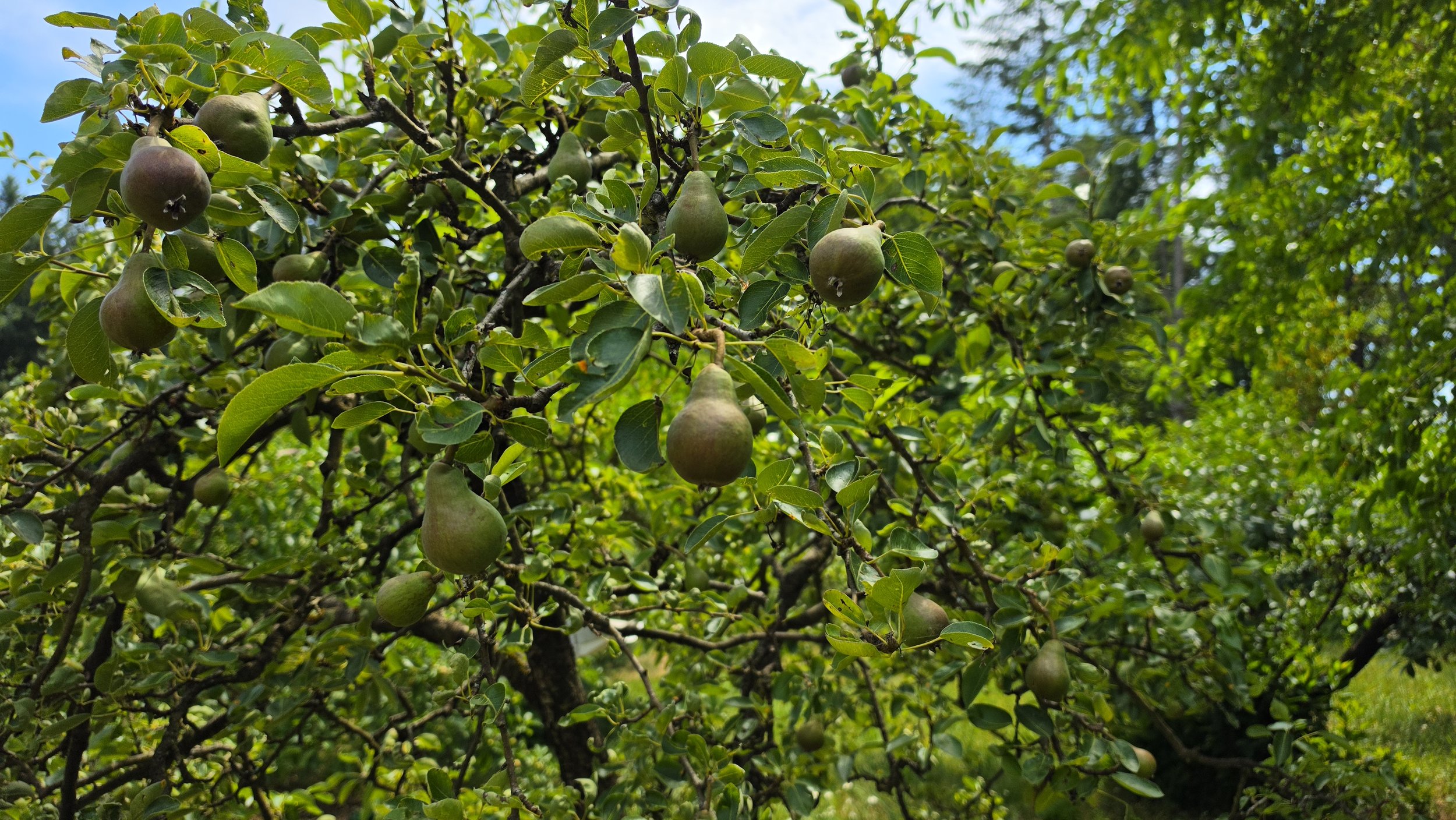
Permaculture means “Permanent Agriculture,” and it is the conscious design and maintenance of agriculturally productive ecosystems which have the diversity, stability, and resilience of natural ecosystems. It is the harmonious integration of landscape and people providing their food, energy, shelter, and other material and non-material needs in a sustainable way. Without permanent agriculture there is no possibility of a stable social order.
The Permaculture philosophy is one of working with, rather than against nature; of protracted and thoughtful observation implemented by thoughtful and protracted action, rather than protracted and thoughtless action; of looking at systems in all their functions, rather than asking only one yield of them; and of allowing systems to demonstrate their own evolution.


Sustainability
Over 40 Years of Ecological Stewardship
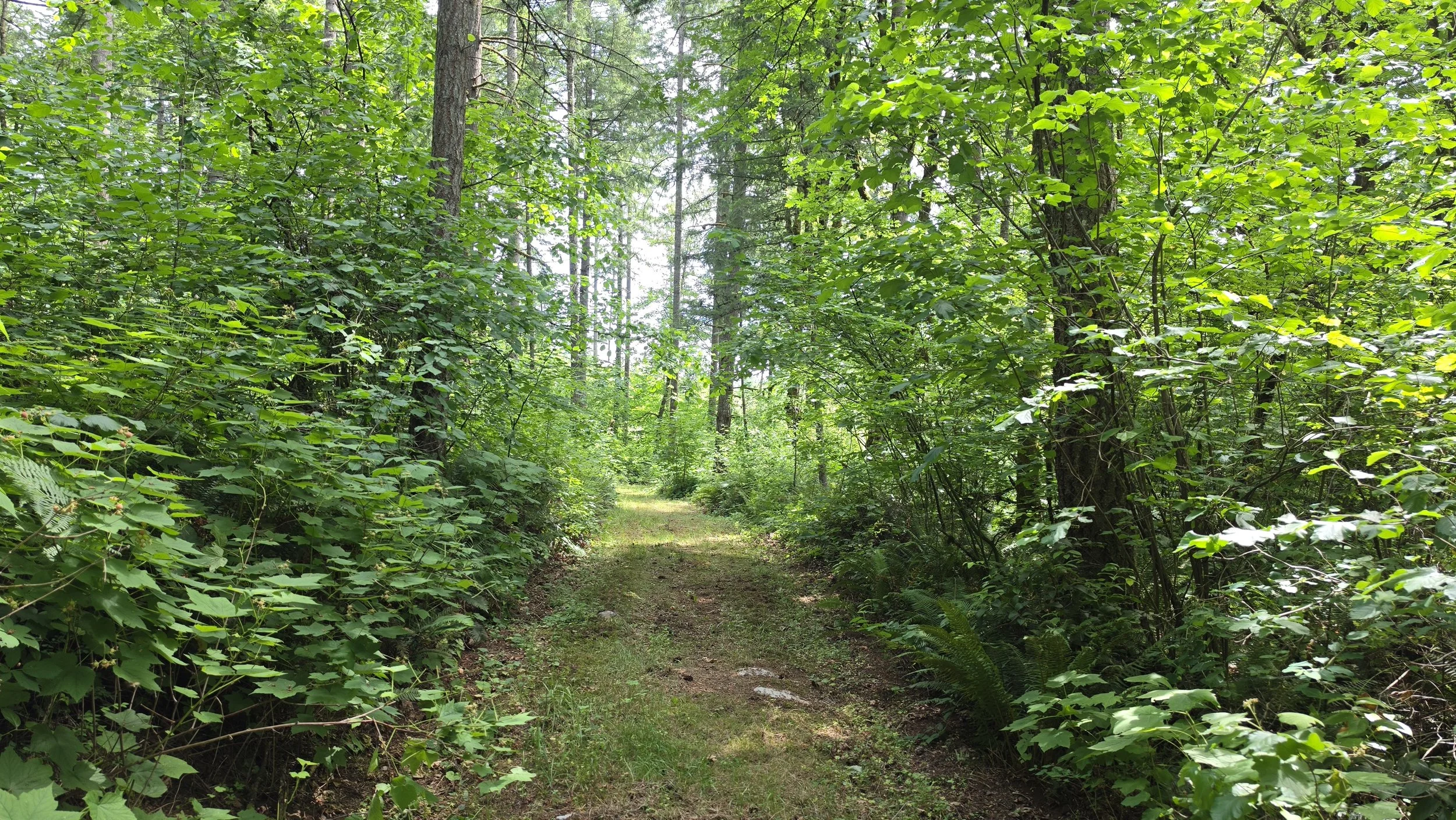
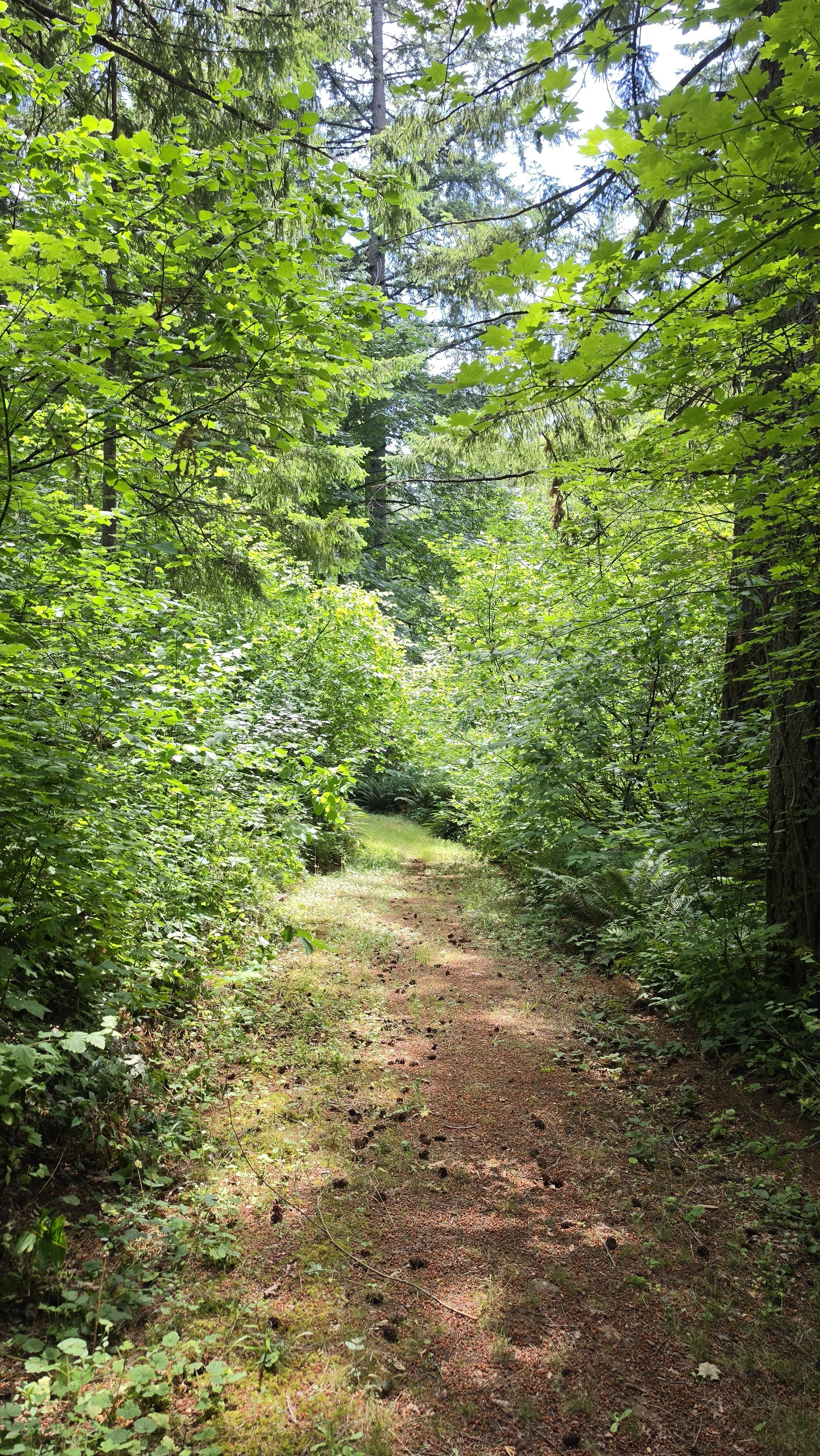
Right now sustainability is in and many businesses are late to the game and trying to cash in on the trend by using green language, which doesn’t always match up to the reality. Sustainability wasn’t a later add on to Forest Edge Vineyard. Ron and Jan have built their winery and managed their 7 acres of vineyard and 36 acres of forest with sustainability in mind from day one.
The Vineyard and Winemaking
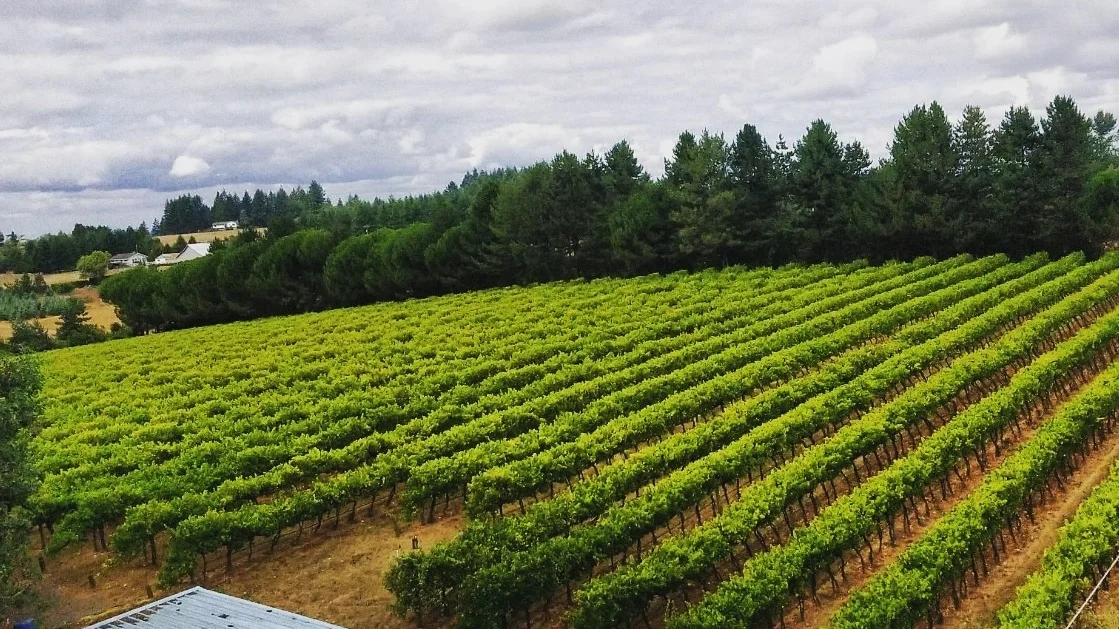
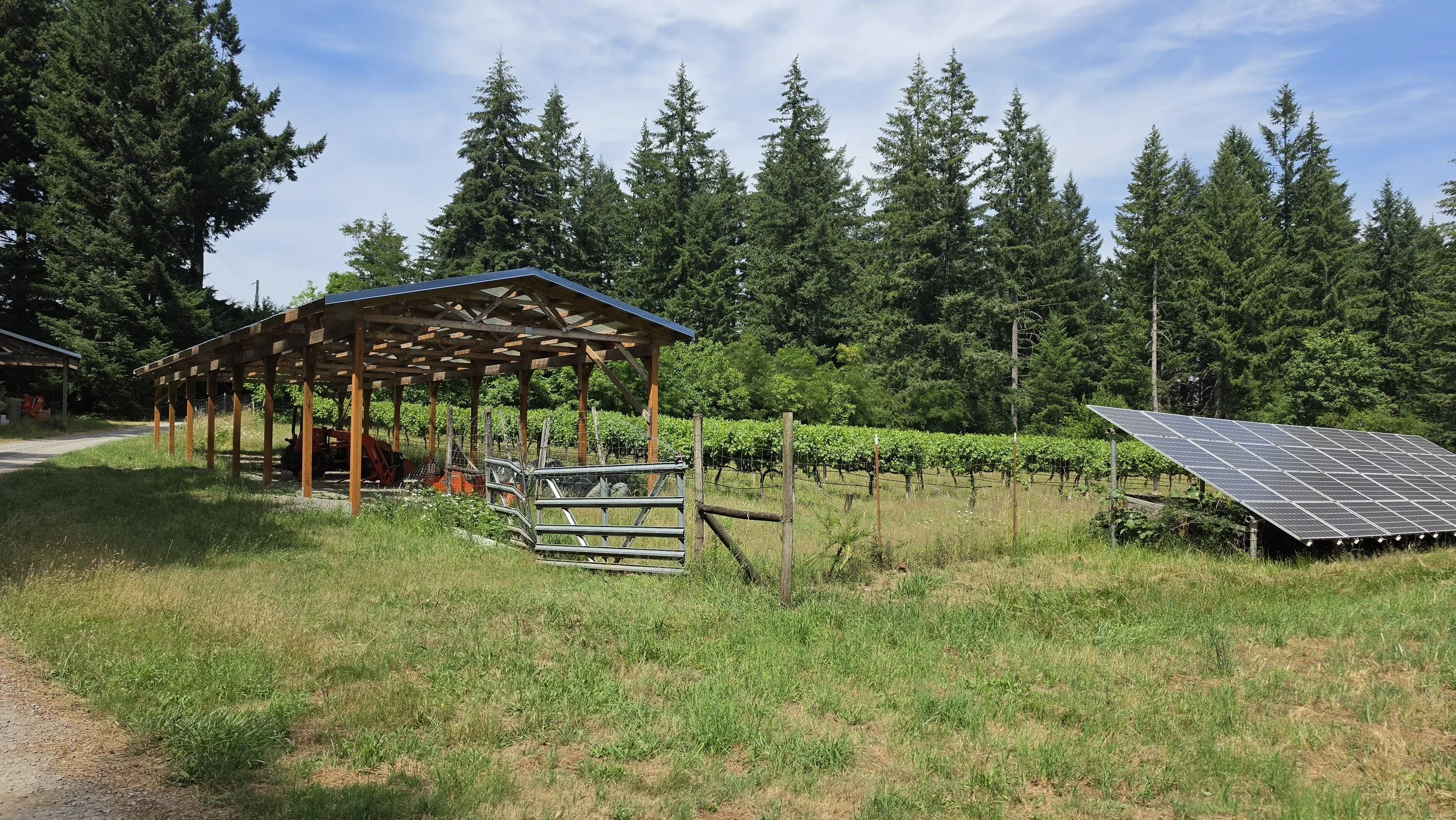
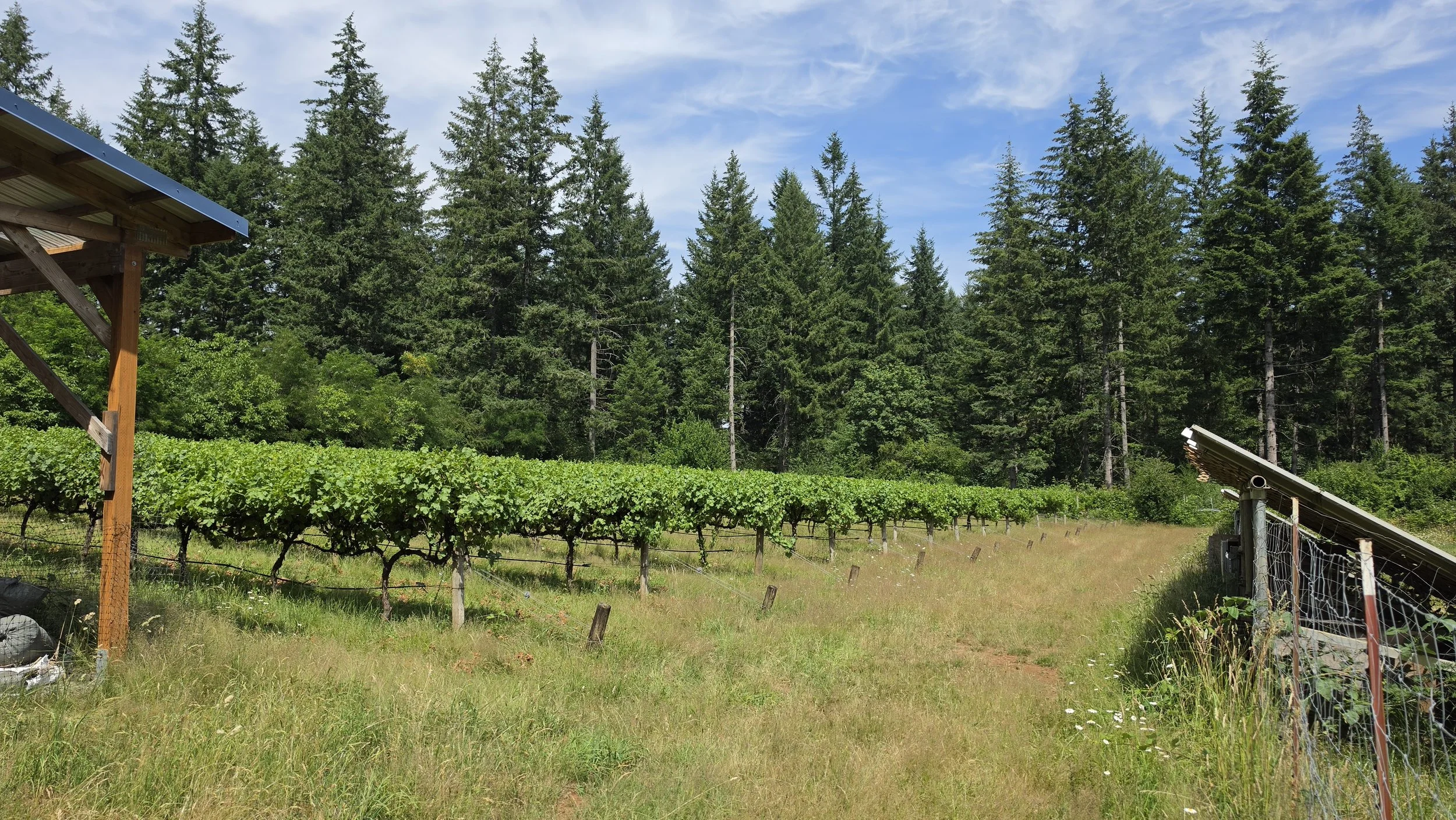
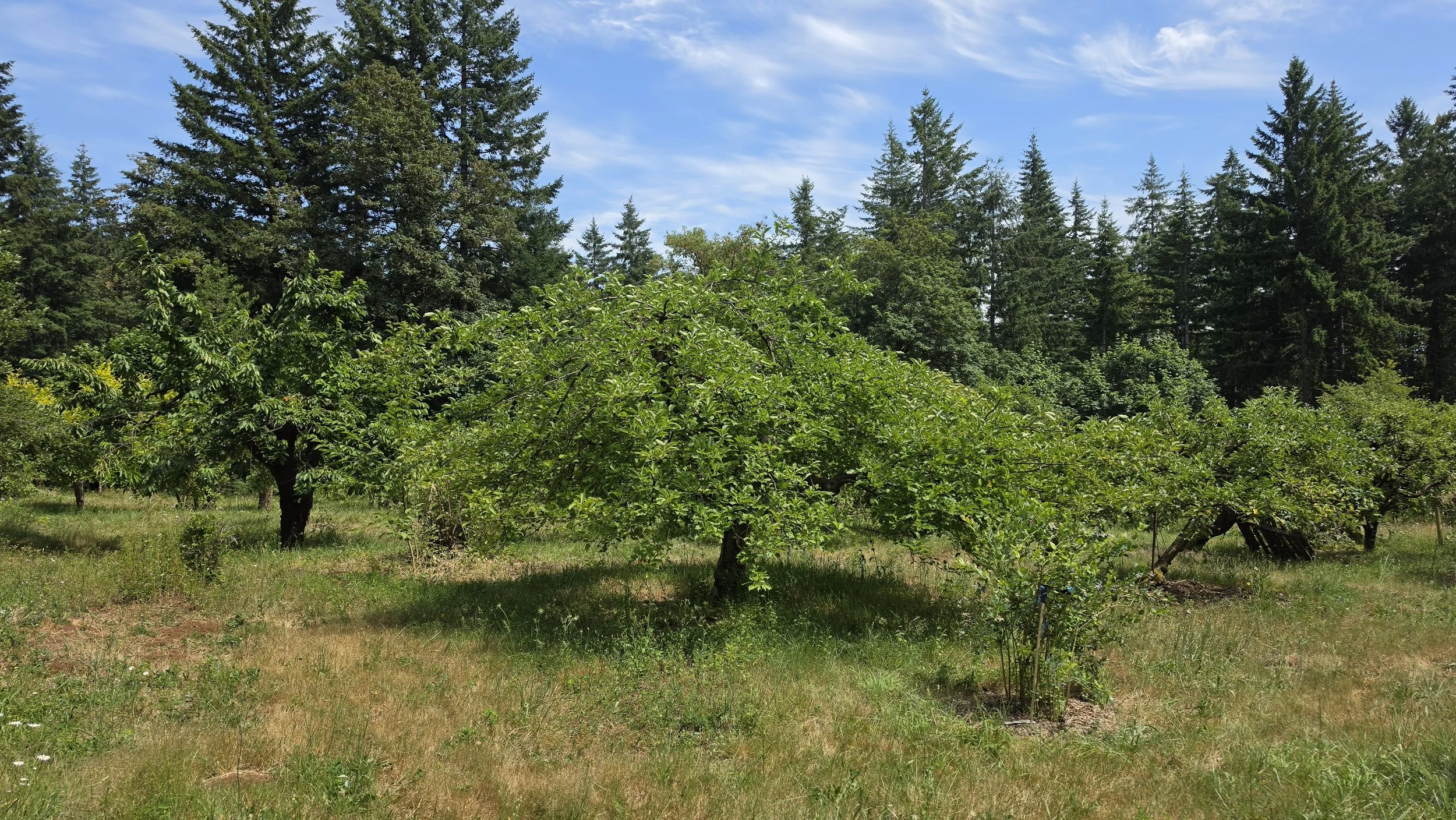
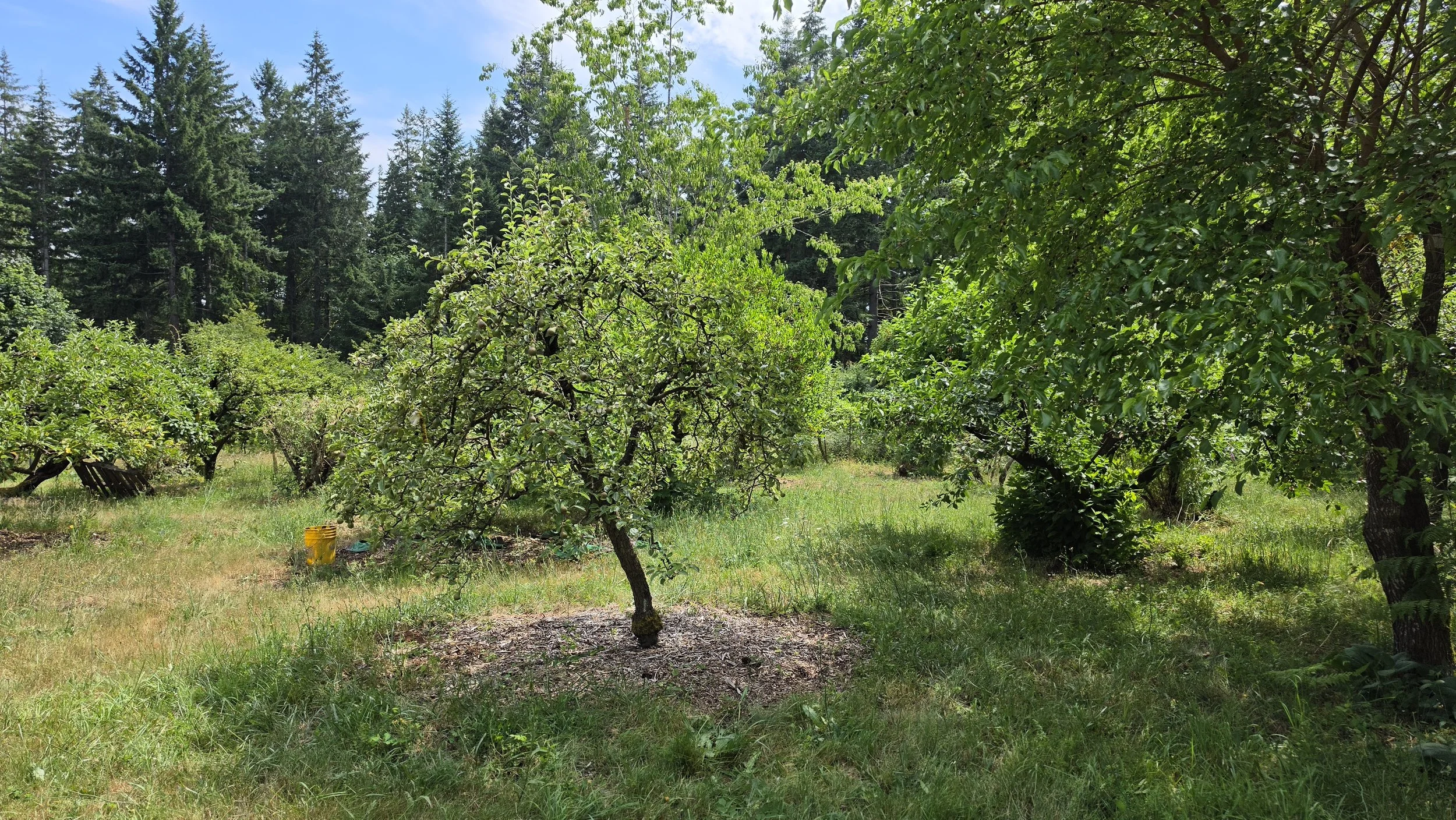
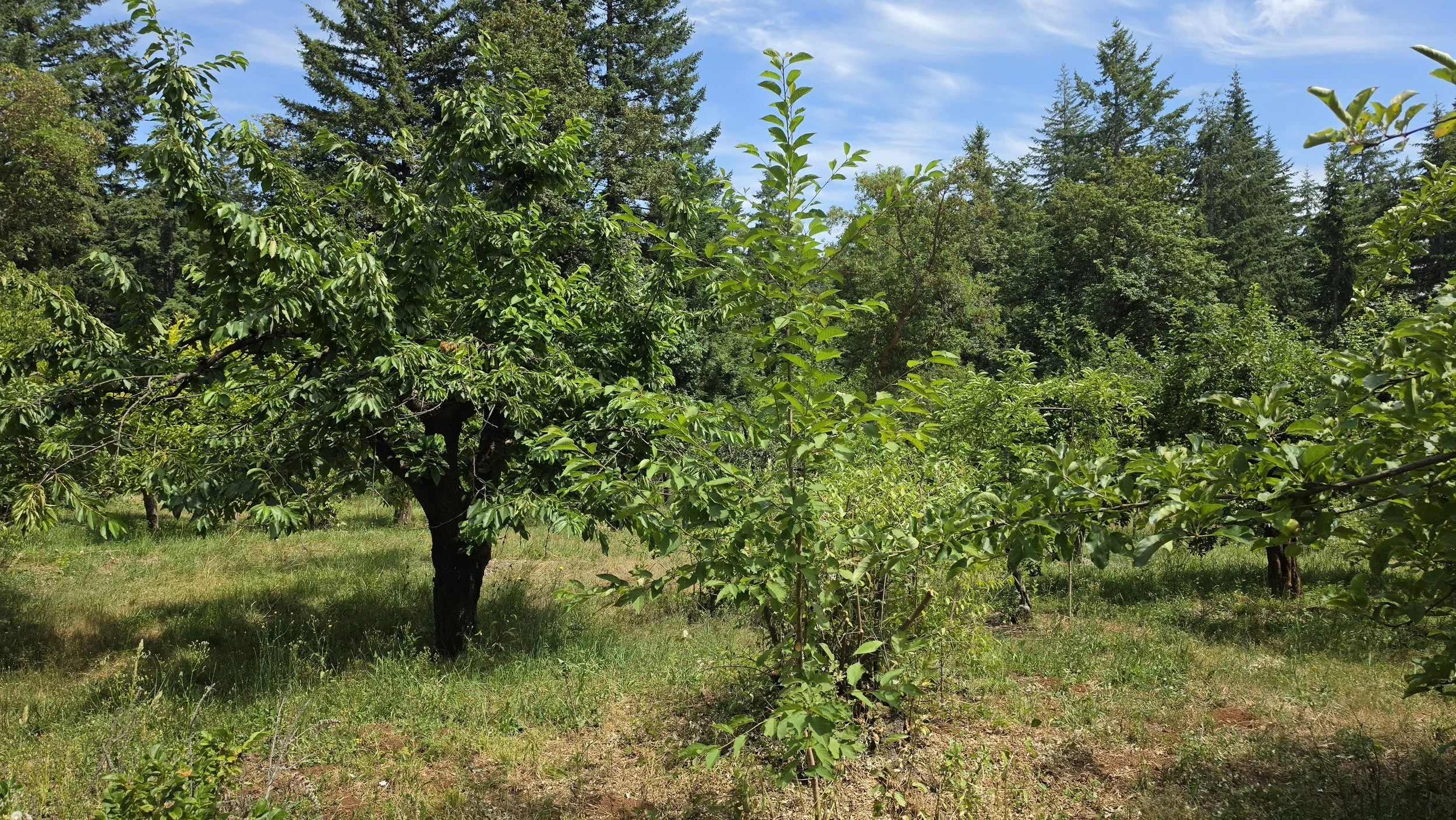
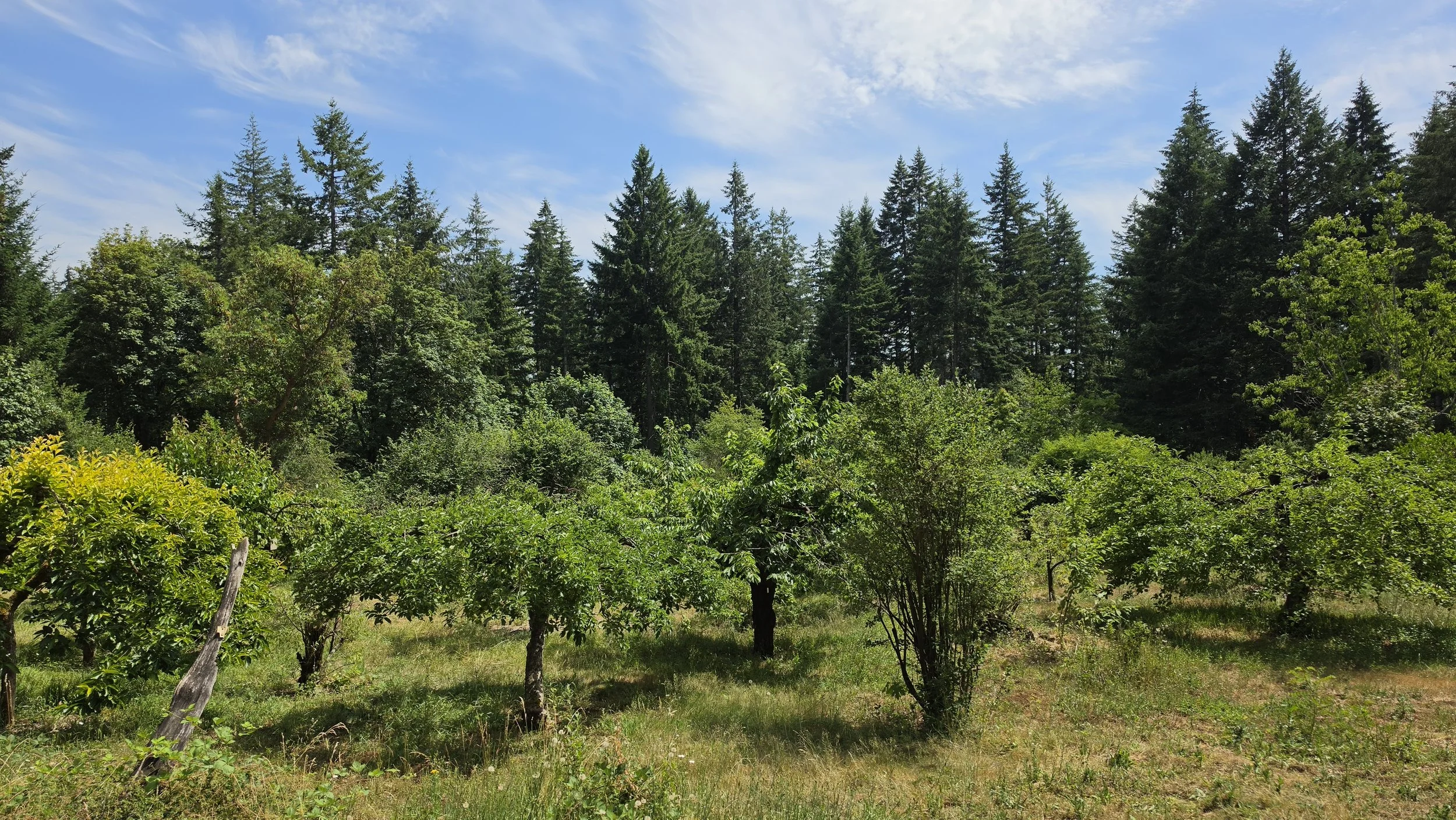
Forest Edge Vineyard is as it sounds. The vineyard is planted on the edge of the forest, making for a diverse and nutrient rich environment. In addition to using Organic methods in the vineyard and orchard to help us grow sustainably, we try to minimize inputs wherever possible throughout the winemaking process. When we do need to intervene, we try to use winemaking products that are OMRI (Organic Materials Review Institute) listed. We also use (and reuse) neutral oak barrels—for among other reasons—to reduce our impact on oak forests. The wine labels are printed on recycled paper and the ink and adhesive are both “green” products.
We’ve chosen to use corks, because they are a renewable resource. To extend the lifecycle of our natural corks, we partner with corkreharvest.org, which is a program for recycling used natural wine corks. The wine shippers we use—Vintner’s Choice are made from 100% recycled paper (minimum 99% post-consumer). . We also take our wine bottles back, so we can reuse them and thereby reduce our carbon footprint. The vineyard and winery are powered by the sun, which reduces costs and the environmental burden of power production.
Eco-Building
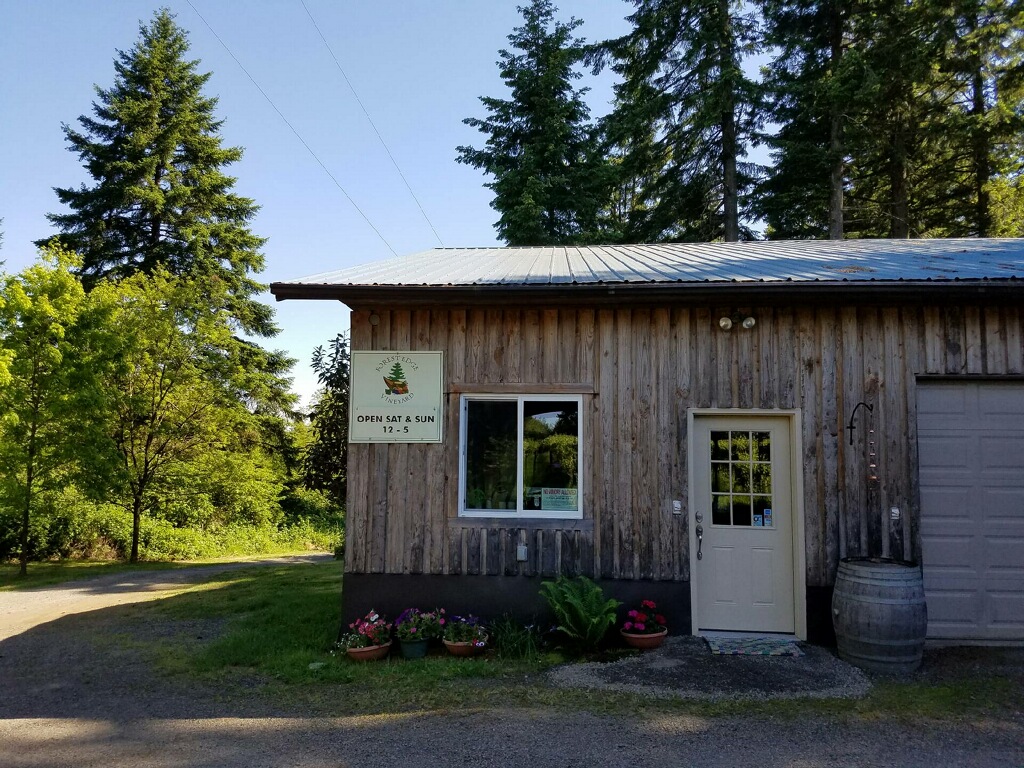
Nearly every building on-site at Forest Edge Vineyard has been built with lumber milled onsite from the sustainably managed forest. Especially notable is the Winery itself.
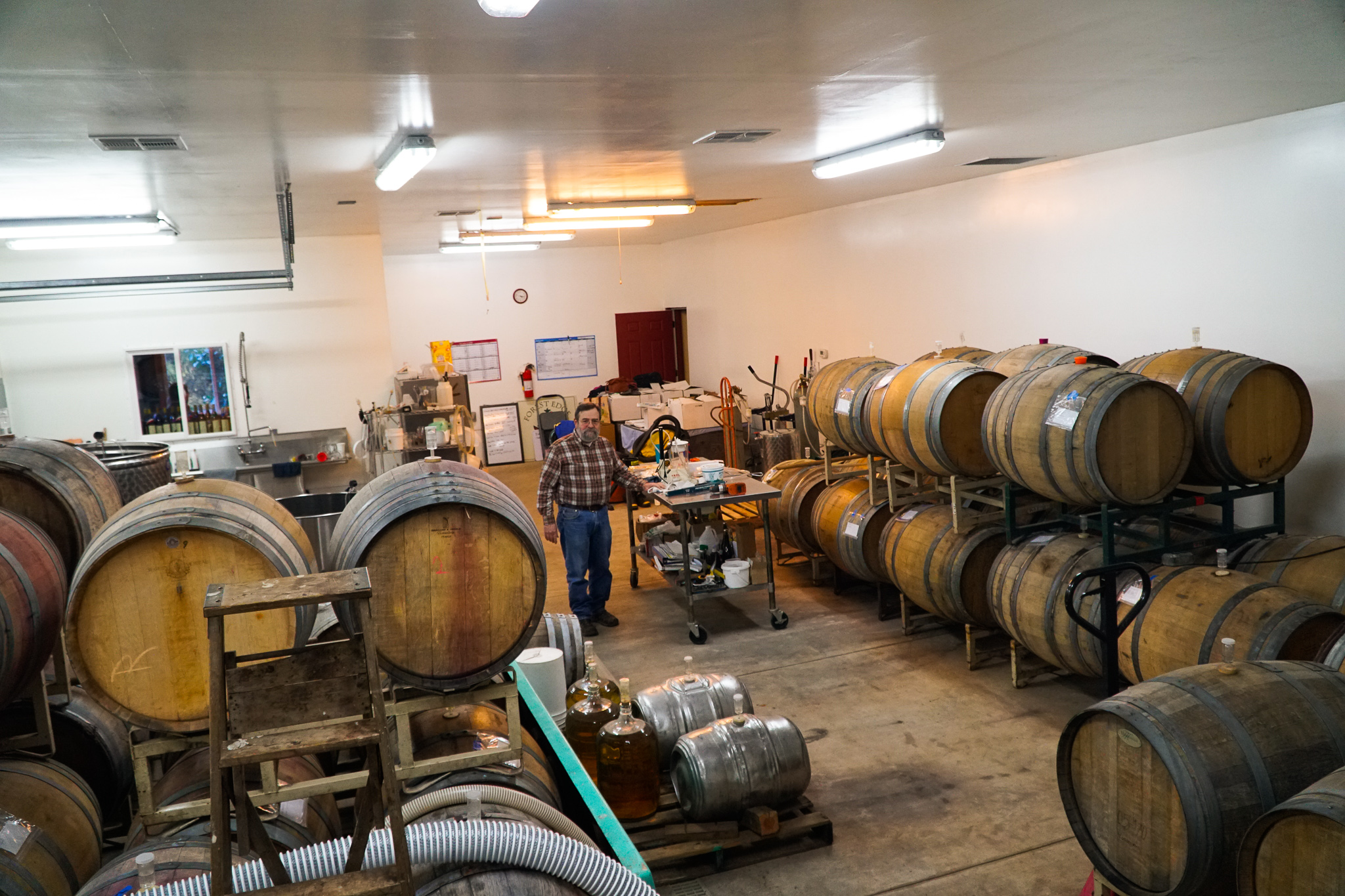
The Winery
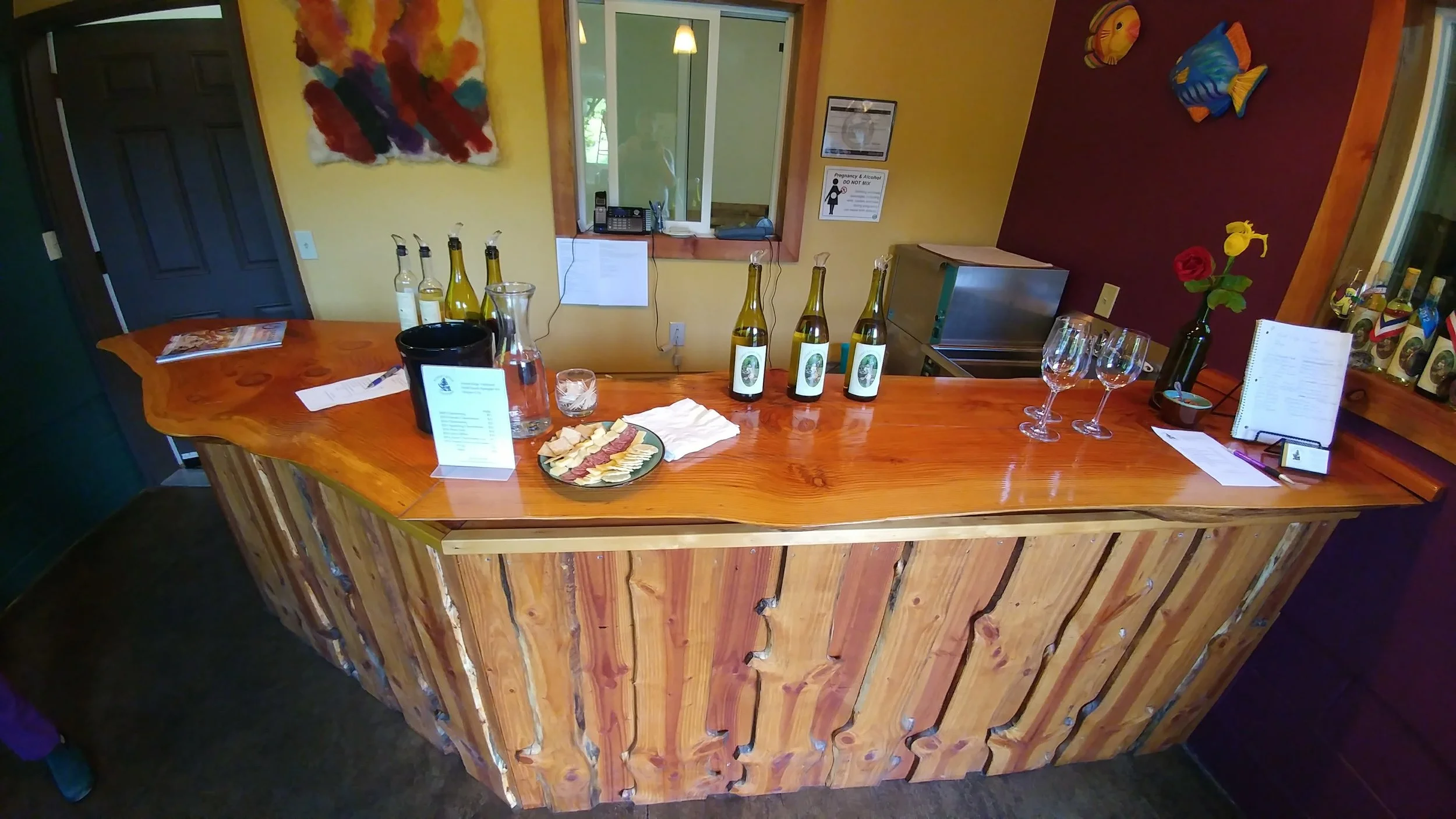
Built to provide a casual tasting environment for customers and facilitate the small-batch estate wine operation, Forest Edge’s Winery sits nestled amidst the forest out of which it was made.
The winery was mostly built using lumber we milled ourselves from the leftovers of forest thinning/harvesting activities. We used soy-based insulation and a 16 SEER heat pump system to heat and cool the winery.
The Dome
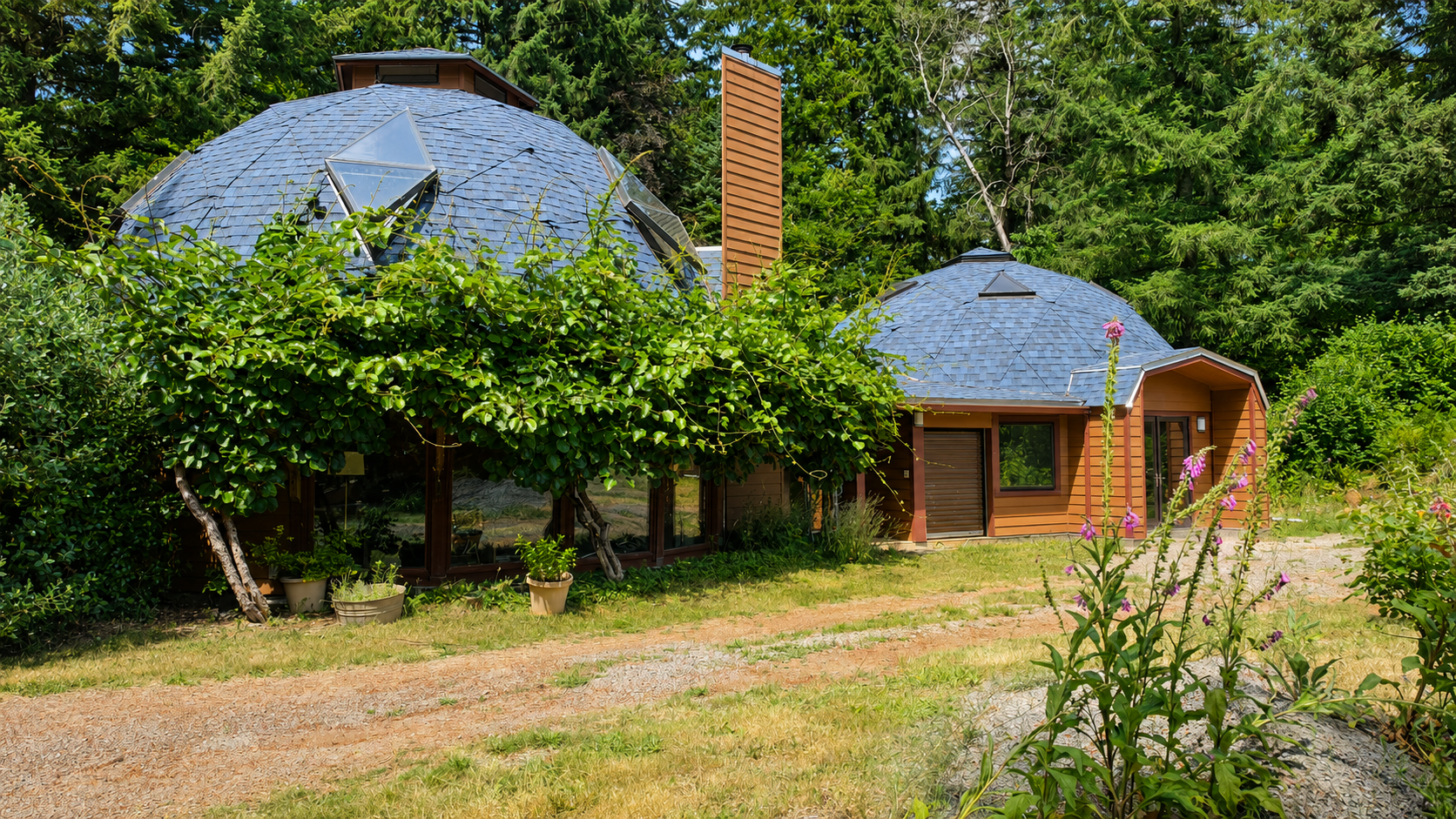
Our home is a geodesic dome constructed and designed to be heated using passive solar techniques. The main window is south facing, allowing extra sun in the winter. In summer, the window is shaded by kiwi, which helps to cool our home. Our alternative heat source is wood, which we grow and process here.
A legacy of conservation
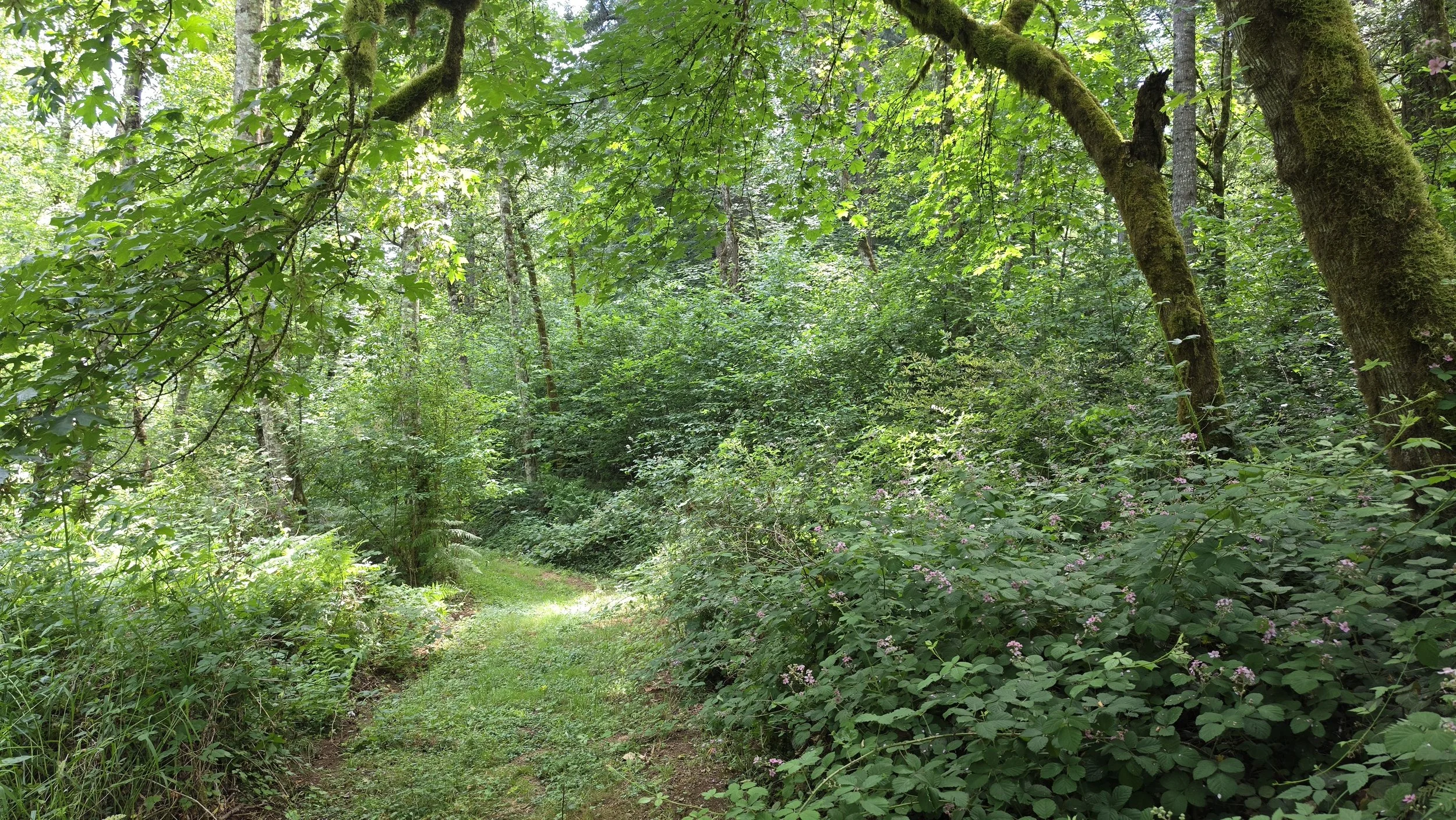
From day one, we have been considering stewardship of the land in perpetuity. We never really considered ourselves owners of this land, but wanted to be great stewards. It isn’t easy to ensure that sustainable land use is conserved for the next generation or the one after that. After many years investigating the variety of potential options, we established a conservation easement with the Oregon Agricultural Trust.
The easement is designed to protect the forestry and agricultural purposes of the land, while still allowing the flexibility for future generations to use the land as a working farm and actively managed forest. Land is also very expensive and the easement makes the land more affordable for subsequent owners who want to continue its stewardship. The easement puts a permanent restriction on land development, but still allows for transfer of ownership and control of the land within those parameters.